What is Energy?

01 — Atoms
All matter is composed of atoms — nuclei of protons and neutrons surrounded by electrons. Energy at this scale exists as mass, electrostatic potential, and kinetic motion.
02 — Bonds
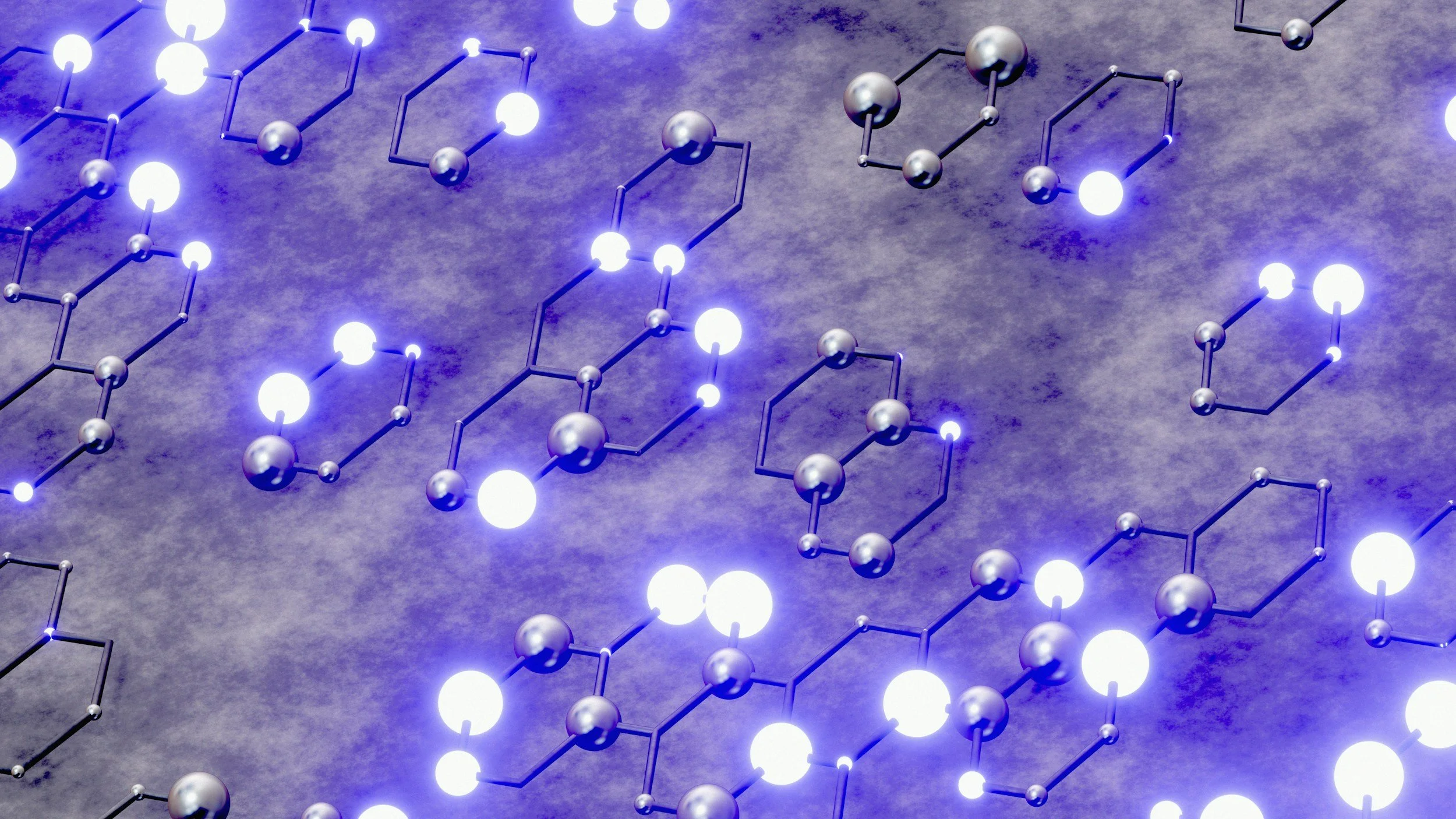
When atoms form molecules, electrons occupy lower-energy configurations. The difference in energy between bonded and unbonded states is stored as chemical potential energy.

03 — Motion
Atoms and molecules are in constant motion. The average kinetic energy of these particles is measured as temperature and represents thermal energy.
04 — Fields: Electric and Magnetic
Charges and currents generate electric and magnetic fields. These fields store and transfer energy through space, forming the physical basis of electricity.
05 — Concentration
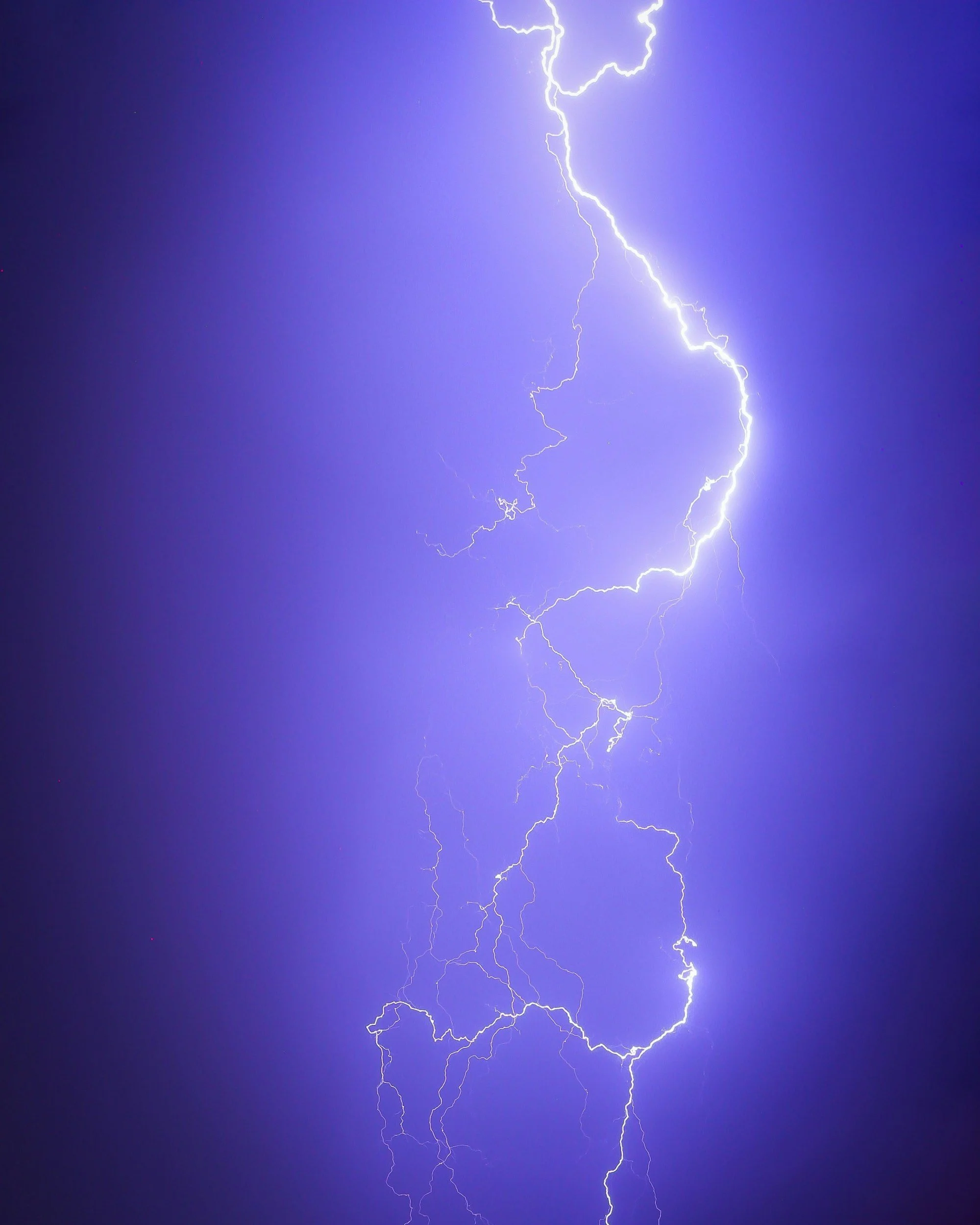
Energy becomes practically useful when it is concentrated per unit mass or volume — for example as high temperature, high pressure, high voltage, or high chemical potential.

06 — Gradients
Energy flows when a gradient exists. Heat flows down a temperature gradient. Charge flows down an electric potential gradient. Fluids flow down a pressure gradient.
07 — Conversion
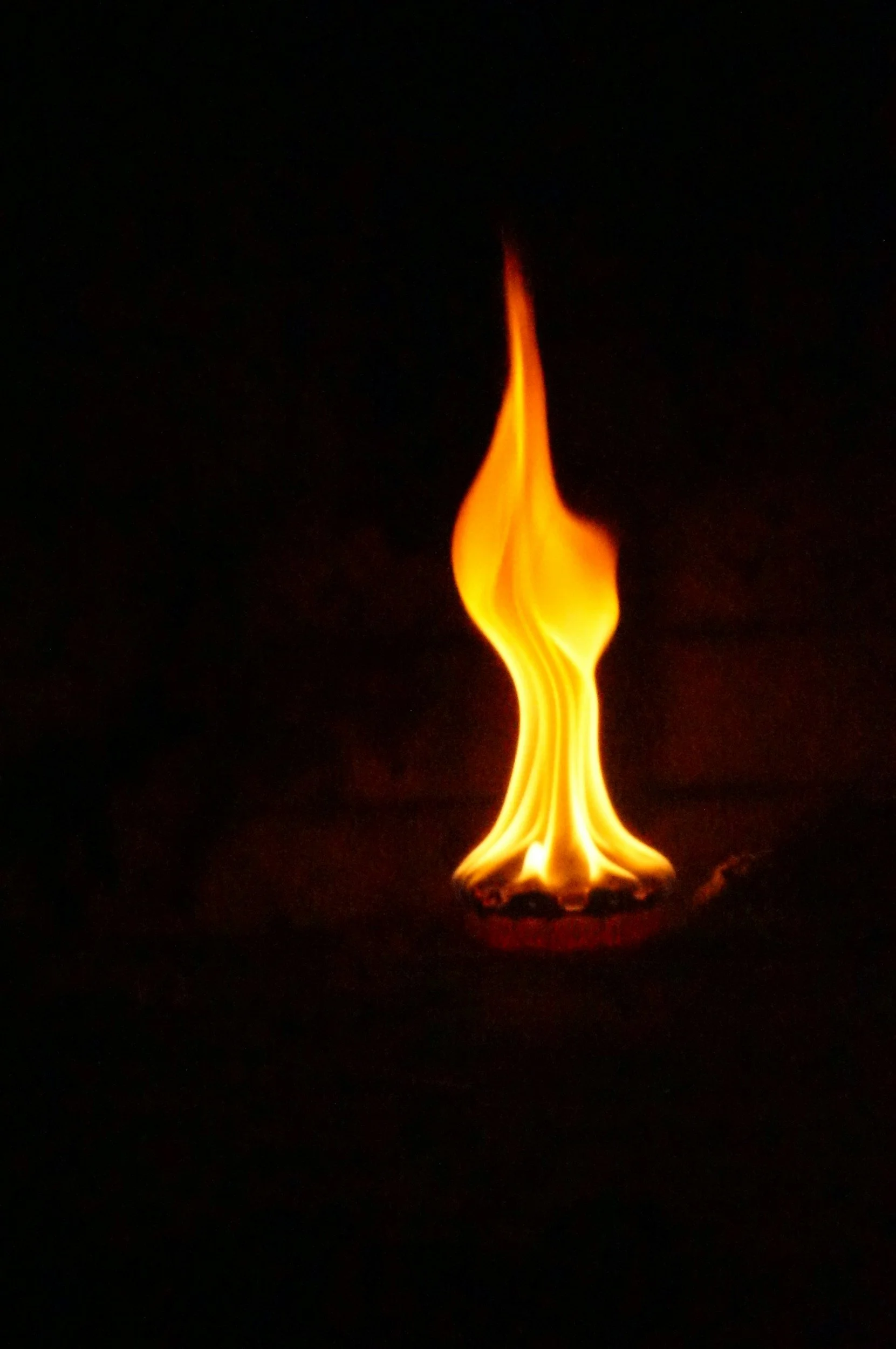
Energy is transformed through physical processes — combustion produces heat, turbines convert heat to motion, generators convert motion to electricity. In every conversion, total energy is conserved.
08 — Service
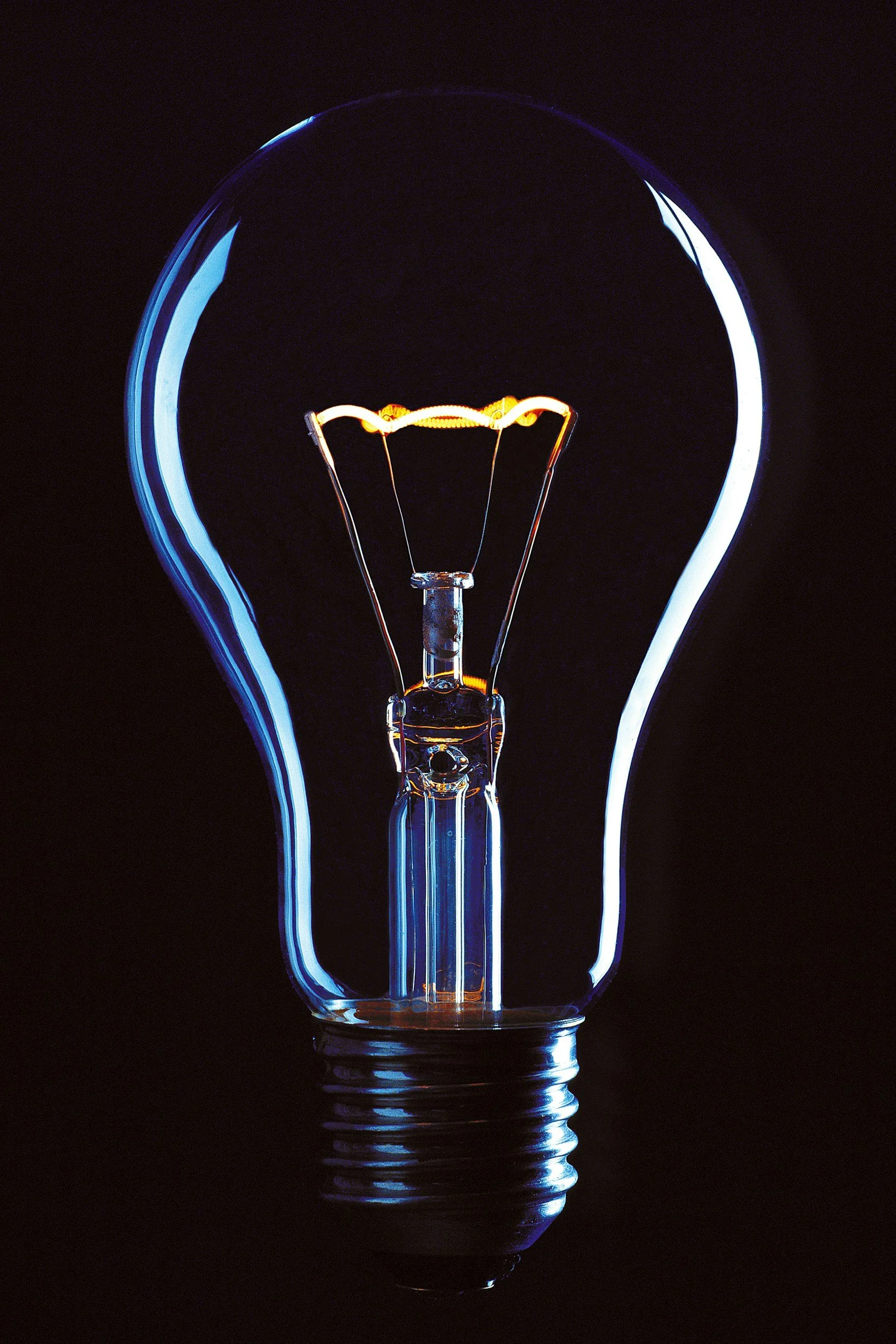
Work occurs when energy transfer results in force acting through distance. In practical systems, energy enables motion, heating, cooling, illumination, and industrial processes.

09 — Transformation
During real processes, some energy becomes dispersed as lower-temperature thermal energy due to friction, electrical resistance, and entropy increase. This energy remains conserved but becomes less available for useful work.
10 — Dispersion
Over time, concentrated energy tends toward thermodynamic equilibrium. Ultimately, energy leaves engineered systems as low-grade heat and radiates outward, often as infrared radiation.